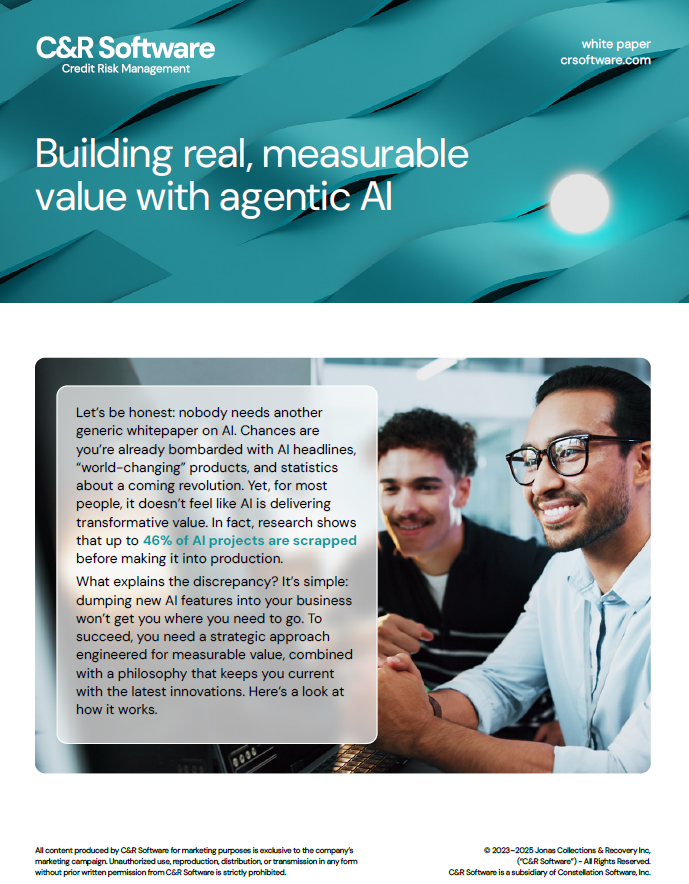
AI is everywhere, but measurable value is still hard to find. Too many organizations are adding AI features to outdated systems without the strategy, architecture, or governance needed to turn innovation into business results.
This report explains how to approach AI in a way that supports adaptability, transparency, and real operational impact.
What's inside:
- Why AI native architecture creates more agility, consistency, and long term value than bolt on AI.
- How to decide between AI augmentation and autonomous, agentic AI based on your risk tolerance and operational goals.
- Why future ready frameworks matter, including the role of Model Context Protocol in connecting AI to tools, data, and systems.
- How governance, transparency, and explainability help organizations implement AI responsibly.
- What measurable AI value looks like in practice, based on real examples from banking environments.
Real world outcomes
See how a top 20 US bank uses an AI assistant to manage internal policy and procedural documentation, helping call center representatives find relevant information faster while on the phone with customers.
This case study shows how agentic AI is helping collections teams improve first call resolution, reduce escalations, and shorten onboarding time for new team members.