GDPR compliance in debt collection: Common gaps to address
Explore common GDPR compliance gaps in debt collection, including data accuracy, retention, security, customer rights, and legacy systems.
Understand FDCPA and Regulation F communication and recordkeeping requirements, including calls, electronic opt-outs, validation notices, and records.
Deciding to transition your entire collections software is a time consuming but necessary part of modernizing your strategy. Refusing to do so means you may end up losing your customers or risk legal repercussions through breaching data regulations.
Customers entering collections are facing stressful and difficult circumstances. It’s your responsibility to support these customers to financial stability through positive engagement at each step of their journey. That way, they will be more likely to engage with you, and it will be easier for you to help them.
Learn what GLBA compliance means for collections teams, including customer data, safeguards, vendor oversight, audit records, and legacy systems.
The hiring of 75 more enforcement personnel at the CFPB means the likelihood of a strict CFPB audit on your collections journey has increased dramatically, and by 50% to be exact.
In competitive spaces like telecommunications and banking, customer service has risen to the top of priorities. Retaining customers is no longer a test of brand loyalty. It has been softened by a rise in competition and modernized services. Customers now have greater freedom to choose a service provider based on the quality of their experience.
Hyper-personalization harnesses the capabilities of AI, automation and analytics to build upon a stable level of engagement and take it to the next level. With it, you can provide a seamless end-to-end collections experience that not only clears accounts faster, but builds customer loyalty and retention.
Analytics are vital in collections to create strategies for each of your customers that result in resolved debt. But in order to have reliable analytics of your customers, you first need reliable data to base it on.
In collections, data and analytics are vital components to helping customers reach financial stability on a personalized level. Data represents the ingredients to a successful collections strategy, whereas algorithms and analytics are the recipe that helps you better understand the solutions individual customers need.
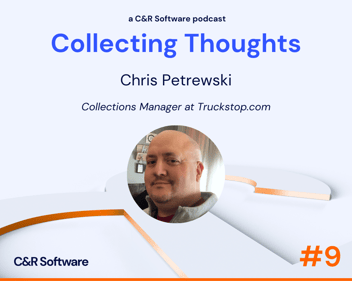
Christina sits down with Chris to learn more about how he got into collections and talk about the side of collections most people need to see.
We’ll be adding thought-provoking content and insights on a regular basis. Let’s stay in touch!